 Aitopkit
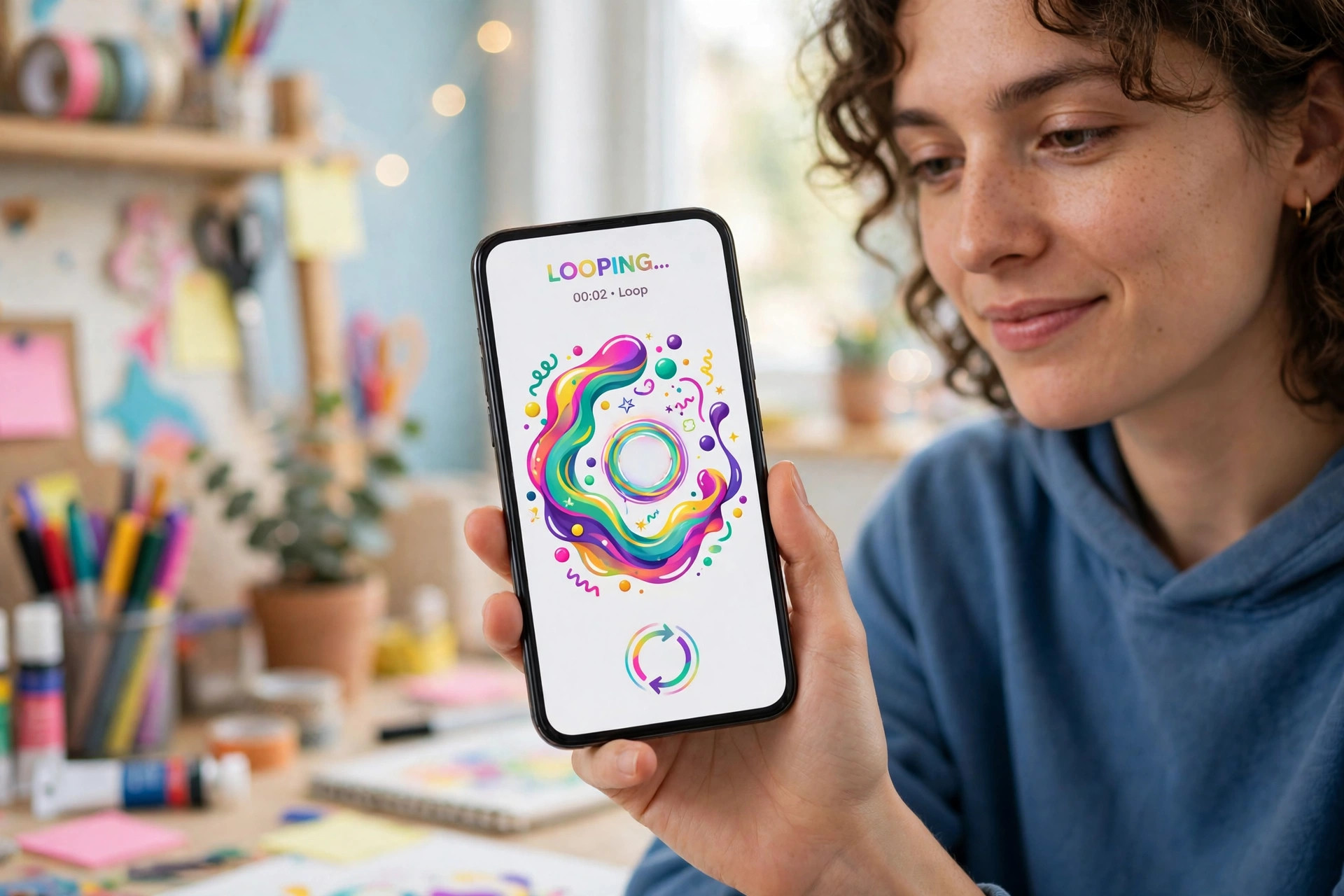
OpenAI rolled out ChatGPT Images 2.6 globally on 4 November 2026, across ChatGPT and Codex on web, desktop and mobile, on all tiers including free. The headline feature is native animated GIF creation: turn a prompt, a photo or a sketch into a looping GIF, with adjustable speed and per-frame editing. The update also keeps reference images across edits and makes generation about 50% faster. For developers, two new API models launched alongside it — GPT-Image-2.6 Flare for speed and GPT-Image-2.6 Sunburst for higher quality.
GIFs are the kind of feature that sounds small and behaves big. A looping animation is the native language of group chats, social replies and product demos, and until now making one with AI meant stitching together stills or jumping to a video tool. Building it into the image model itself — with per-frame editing, so you can fix one frame without redoing the whole loop — turns ChatGPT into a quick motion studio for marketers, teachers and anyone who communicates in memes and demos.
The scale behind the release is worth noting: OpenAI says users now generate more than 4 billion images per week, up from 3 billion in September. That growth explains why the company keeps investing in the image stack — and why the two new API models matter. Flare and Sunburst give developers an explicit speed-versus-quality choice, which is exactly the trade-off app builders have been asking for since the first image model launched.
For creators, the practical takeaway is simple: try the free tier first. GIF creation, reference images and the faster generation are all available without paying, so the best way to judge Images 2.6 is to make something with it. If you are comparing image generators more broadly, our best AI image generators comparison covers the field — but for quick animated loops, ChatGPT just became the easiest tool in the room.